


Introduction
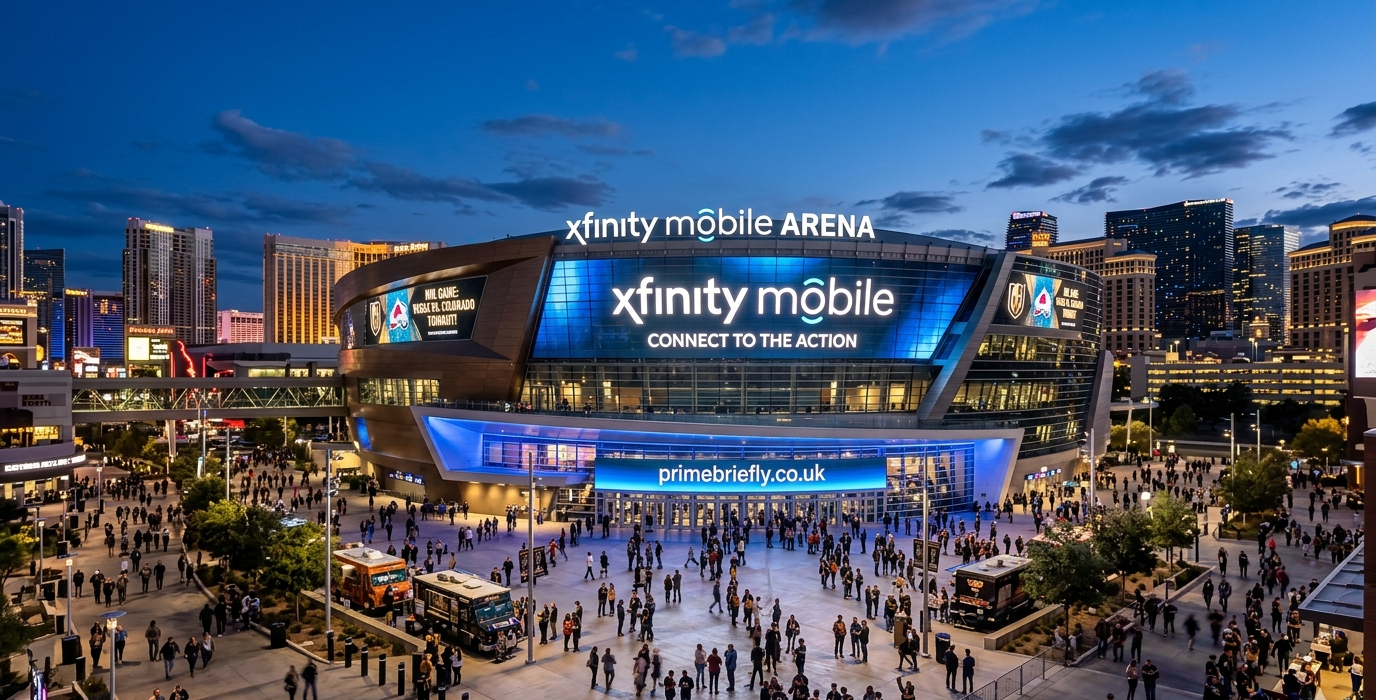
Xfinity Mobile Arena has quickly become one of the most talked-about entertainment venues in the United States. Located in the heart of Philadelphia’s famous Sports Complex district, the arena represents a new era of sports, technology, live entertainment, and fan engagement. Formerly known as the Wells Fargo Center, the venue officially adopted its new name after Comcast Spectacor introduced a long-term branding partnership connected to its Xfinity Mobile service. The rebranding was not simply a name change. It reflected a larger vision focused on digital innovation, modern entertainment experiences, and advanced connectivity for millions of visitors.
The arena has been one of Philadelphia’s most important landmarks since opening in 1996. Over the years, it has hosted professional basketball games, NHL hockey matchups, sold-out concerts, family entertainment shows, political events, and major cultural gatherings. Today, Xfinity Mobile Arena continues to evolve into a state-of-the-art entertainment destination that combines tradition with modern technology. Fans now expect more than just a seat at an event. They expect fast internet access, mobile ticketing, premium food experiences, upgraded seating, and immersive digital features. The arena’s transformation reflects how the entertainment industry is changing across the world.
Philadelphia itself plays a major role in the arena’s popularity. The city is known for passionate sports fans, historic sports rivalries, and a strong culture surrounding live events. Whether someone attends a Philadelphia 76ers game, watches the Philadelphia Flyers compete, or enjoys a concert from a global music artist, the arena delivers an atmosphere that remains unforgettable for visitors. Because of this, searches related to “Xfinity Mobile Arena,” “Philadelphia sports arena,” “Wells Fargo Center new name,” and “Philadelphia concert venue” have grown significantly online.
The History Behind Xfinity Mobile Arena
The story of Xfinity Mobile Arena began in the mid-1990s when Philadelphia needed a modern replacement for the legendary Spectrum arena. The Spectrum had served the city for decades, but advancements in arena design, seating, luxury suites, and entertainment technology created demand for a newer facility. Construction officially began in 1994, and the arena opened in 1996 under the name CoreStates Center. At the time, it was considered one of the most advanced sports and entertainment venues in North America.
As banking mergers occurred over the years, the arena experienced several naming changes. It became the First Union Center, then the Wachovia Center, and later the Wells Fargo Center. Even though the name changed multiple times, the building itself remained deeply connected to Philadelphia sports culture. Fans continued associating the arena with unforgettable playoff moments, championship hopes, emotional victories, and iconic performances by musicians from around the world.
In 2025, Comcast Spectacor announced the newest transformation by officially renaming the venue Xfinity Mobile Arena. The decision aligned with Comcast’s broader strategy of integrating telecommunications, mobile services, entertainment, and digital experiences into live events. The new branding immediately attracted attention across sports media, entertainment news outlets, and social media discussions. While some longtime fans still refer to the building by its older names, many also recognize that the new identity reflects the arena’s modern direction and technological ambitions.
Location and Importance in Philadelphia’s Sports Complex
Xfinity Mobile Arena is strategically located in South Philadelphia within the city’s famous Sports Complex district. This area also includes Lincoln Financial Field, home of the NFL’s Philadelphia Eagles, and Citizens Bank Park, home of Major League Baseball’s Philadelphia Phillies. The concentration of multiple major sports venues in one district creates a unique atmosphere unlike many cities in the United States. Fans often spend entire days in the area attending games, dining at nearby restaurants, and participating in pre-event celebrations.
The location offers convenient access through major highways, public transportation systems, subway connections, and rideshare services. SEPTA’s Broad Street Line directly connects downtown Philadelphia to the Sports Complex, making transportation relatively simple for both residents and tourists. Parking facilities surrounding the arena can accommodate thousands of vehicles, although game days and concerts often create heavy traffic conditions due to high attendance numbers.
The arena also contributes significantly to Philadelphia’s tourism economy. Visitors traveling for concerts, playoff games, and entertainment events frequently stay in local hotels and spend money throughout the city. Restaurants, bars, merchandise stores, and transportation services all benefit from the constant flow of arena visitors. As a result, Xfinity Mobile Arena functions not only as a sports venue but also as an important economic engine for Philadelphia’s hospitality and tourism sectors.
Home of the Philadelphia 76ers and Philadelphia Flyers
One of the biggest reasons for the arena’s popularity is its role as the longtime home of the Philadelphia 76ers and Philadelphia Flyers. The venue has hosted thousands of NBA and NHL games since opening in 1996, becoming the center of professional indoor sports in Philadelphia. Basketball fans regularly fill the arena to watch star players compete during the NBA season, while hockey fans create an intense atmosphere during Flyers home games.
Philadelphia sports culture is widely recognized for its passion and intensity. Fans inside the arena are known for their loud energy, emotional reactions, and unwavering loyalty to local teams. This environment makes the arena one of the toughest venues for opposing teams to play in during high-stakes games and playoff matchups. National sports broadcasters often highlight the crowd atmosphere when discussing Philadelphia sporting events.
The arena has also hosted numerous playoff series, All-Star events, college basketball tournaments, and special sporting exhibitions. Over the years, many unforgettable moments occurred inside the building, including dramatic playoff victories, overtime hockey games, and record-breaking player performances. Because of this history, the arena has become deeply connected to the identities of both the 76ers and Flyers franchises.
Major Concerts and Entertainment Events
Although sports remain central to the venue’s identity, Xfinity Mobile Arena is equally important as a concert and entertainment destination. Some of the world’s biggest music artists have performed inside the arena, attracting fans from across Pennsylvania and neighboring states. The venue regularly hosts pop stars, rock bands, hip-hop artists, country musicians, comedy tours, and international entertainment productions.
The arena’s seating capacity and advanced stage infrastructure make it ideal for large-scale concerts requiring sophisticated lighting systems, giant video screens, and high-powered sound technology. Performers often include Philadelphia as a major stop during national and international tours because of the arena’s reputation and large audience capacity. Many artists have sold out multiple nights at the venue throughout their careers.
In addition to music events, the arena also hosts family entertainment shows, wrestling events, ice performances, esports competitions, and cultural productions. This versatility allows the building to remain active throughout the year, even during sports off-seasons. For many Philadelphia residents, attending concerts at the arena has become a tradition passed down through generations.
Technology and Digital Innovation at the Arena
One of the most important aspects of the Xfinity Mobile Arena rebrand is its focus on advanced technology and digital connectivity. Comcast invested heavily in upgrading the arena’s WiFi infrastructure, mobile connectivity systems, and digital entertainment capabilities. Modern fans increasingly rely on smartphones during live events for ticket access, food ordering, social media sharing, and streaming content. The arena’s technological improvements were designed specifically to support these changing expectations.
According to company announcements, the venue now features one of the fastest arena WiFi systems on the East Coast. The upgraded infrastructure allows thousands of fans to remain connected simultaneously without major disruptions in internet speed. This represents a significant improvement compared to older arena systems that often struggled during sold-out events.
Digital displays and interactive screens have also become a major part of the fan experience. Visitors can now access enhanced navigation systems, live statistics, replay features, and mobile services throughout the building. These innovations help create a more immersive environment that blends live entertainment with modern digital technology. As smart venues continue becoming more common worldwide, Xfinity Mobile Arena positions itself as a leader in connected entertainment experiences.
Renovations and Modern Upgrades
Over the past several years, the arena completed extensive renovation projects valued at hundreds of millions of dollars. These renovations focused on modernizing nearly every part of the venue, including seating areas, luxury suites, concourses, restaurants, lounges, and hospitality spaces. The goal was to ensure the building remained competitive with newer arenas opening in other major cities.
Premium seating experiences became a major priority during renovations. Luxury suites were redesigned with upgraded furniture, private services, and improved viewing angles. Club seating areas received modern hospitality features that appeal to corporate guests and premium ticket buyers. Food and beverage options also expanded significantly, reflecting broader trends in the sports and entertainment industry where dining experiences play a major role in customer satisfaction.
The arena additionally improved accessibility features, crowd flow systems, and interior aesthetics. Large high-definition video boards and upgraded lighting systems enhanced the visual experience for fans attending games and concerts. Despite these modernizations, the arena successfully preserved the energetic atmosphere that longtime Philadelphia fans value deeply.
Fan Experience and Event Atmosphere
One of the defining characteristics of Xfinity Mobile Arena is the emotional atmosphere inside the building during major events. Philadelphia sports fans are famous for creating intense environments that energize home teams while intimidating opponents. During playoff games, the arena often becomes one of the loudest venues in professional sports.
Concertgoers also describe the venue as highly energetic and immersive. The arena’s design allows strong crowd engagement while maintaining good sightlines for most seating sections. Fans attending major performances frequently praise the sound quality, visual production, and overall event organization. This positive reputation helps attract both returning visitors and first-time guests throughout the year.
The arena experience extends beyond the event itself. Many visitors arrive early to explore restaurants, team stores, entertainment spaces, and gathering areas surrounding the Sports Complex district. Social media activity during events has also become an important part of fan engagement, especially with improved internet connectivity throughout the venue.
Economic and Cultural Impact on Philadelphia
Xfinity Mobile Arena plays a major role in Philadelphia’s economy and cultural identity. Millions of people attend events at the venue annually, generating substantial revenue for local businesses, transportation services, hotels, and tourism-related industries. Large concerts and playoff games often create significant economic activity throughout the city.
The arena also contributes to employment opportunities in event management, security, hospitality, food service, maintenance, media production, and entertainment operations. Thousands of workers support arena operations directly or indirectly during events and daily activities. This makes the venue an important employer within the region’s broader entertainment economy.
Culturally, the arena represents more than just a building. It serves as a gathering place where generations of Philadelphia residents celebrate victories, attend concerts, and create lifelong memories. Families often share stories about iconic sports moments or legendary performances experienced inside the arena. Over time, these shared experiences help strengthen the arena’s importance within Philadelphia’s identity and traditions.
The Future of Xfinity Mobile Arena
The future of Xfinity Mobile Arena appears closely connected to innovation, modernization, and evolving entertainment trends. Industry experts believe that sports arenas will continue integrating advanced digital technologies, immersive experiences, and smart infrastructure over the next decade. Comcast’s investment strategy suggests the arena intends to remain at the forefront of these developments.
Potential future upgrades may include expanded augmented reality experiences, personalized digital services, improved sustainability systems, and even more advanced connectivity features. As consumer expectations continue changing, arenas must adapt to provide experiences that extend beyond simply watching a game or concert. Xfinity Mobile Arena’s current direction indicates a strong focus on meeting those future demands.
Discussions about long-term venue development in Philadelphia also continue evolving. While new arena proposals occasionally emerge in sports business discussions, Xfinity Mobile Arena remains one of the city’s most valuable entertainment properties. Its combination of location, history, technology, and passionate fan culture ensures its continued importance for years to come.
Conclusion
Xfinity Mobile Arena represents a powerful combination of sports tradition, entertainment excellence, and technological innovation. From its beginnings as the CoreStates Center to its current identity under Comcast branding, the arena has consistently evolved to meet the demands of modern audiences while preserving its deep connection to Philadelphia sports culture. Today, it stands as one of the most recognized multipurpose arenas in the United States.
The venue continues serving as the home of unforgettable NBA and NHL moments, world-class concerts, and large-scale entertainment productions. Its advanced WiFi systems, renovated interiors, premium hospitality spaces, and digital enhancements demonstrate how modern arenas are adapting to changing fan expectations. At the same time, the emotional energy created by Philadelphia fans ensures the arena maintains a unique atmosphere that cannot easily be replicated elsewhere.
As technology and entertainment industries continue advancing, Xfinity Mobile Arena appears well-positioned for the future. Whether visitors attend for sports, concerts, or major live events, the arena remains a central part of Philadelphia’s identity and a major destination for entertainment in the United States.
