


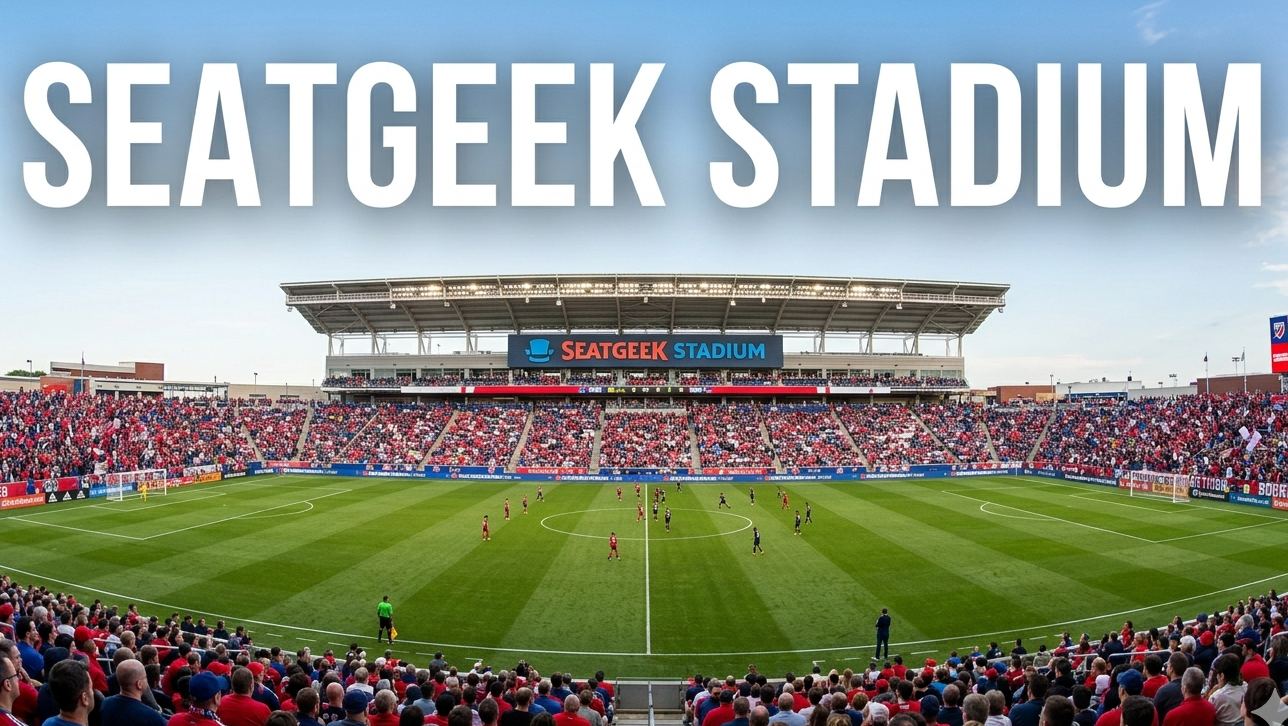
SeatGeek Stadium is one of the most recognized sports and entertainment venues in the Chicago metropolitan area. Known for hosting major soccer matches, concerts, festivals, and community events, the stadium has evolved into a versatile destination that attracts thousands of visitors each year. Whether you are a sports fan, music lover, or event attendee, this stadium offers a modern experience with strong ties to local culture and international sports.
This article provides a deep, detailed look at SeatGeek Stadium, including its history, design, major events, facilities, visitor experience, and its role in the local community.
Introduction to SeatGeek Stadium
SeatGeek Stadium is a soccer-specific venue located in Bridgeview, Illinois, a suburb southwest of Chicago. It was originally built to serve as a dedicated home for professional soccer in the region and has since expanded its use to accommodate concerts, festivals, and other large-scale events.
The stadium is widely appreciated for its intimate seating design, which allows fans to feel closer to the action compared to many traditional large-scale stadiums. This makes it especially popular for soccer matches, where atmosphere and crowd energy play a huge role in the experience.
Over time, it has become a multi-purpose venue that balances professional sports with entertainment and community engagement.
History and Development
The stadium was completed in 2006 and initially opened under the name Toyota Park. It was primarily designed to serve as the home stadium for Chicago’s Major League Soccer team, the Chicago Fire FC.
Early Purpose
The original goal was to create a soccer-focused stadium that would:
- Provide a dedicated home for MLS matches
- Improve fan engagement through closer seating
- Support youth and amateur soccer development
At the time of its construction, soccer-specific stadiums were becoming increasingly popular in the United States as the sport continued to grow in popularity.
Name Transition
In 2018, the stadium underwent a naming rights change and became known as SeatGeek Stadium. This change reflected a broader trend of digital ticketing platforms partnering with major sports venues.
The rebranding also signaled a shift toward a more modern, multi-use entertainment identity rather than a single-team home ground.
Location and Surroundings
The stadium is located in Bridgeview, Illinois, approximately 25–30 minutes from downtown Chicago depending on traffic.
Accessibility
Visitors can reach the stadium via:
- Major highways such as I-55 and I-294
- Public transportation connections through shuttle services (event-dependent)
- Ride-sharing services like Uber and Lyft
Surrounding Area
The surrounding area includes:
- Residential neighborhoods
- Commercial plazas
- Hotels and restaurants within driving distance
While Bridgeview is quieter than downtown Chicago, the stadium transforms the area during major events, bringing in large crowds and increased activity.
Stadium Design and Architecture
SeatGeek Stadium is designed specifically for soccer, which heavily influences its structure and layout.
Seating Capacity
The stadium holds approximately 20,000 spectators, making it an intimate but energetic venue.
Field Layout
The field is constructed to meet international soccer standards, allowing it to host:
- MLS matches
- International friendlies
- Women’s professional soccer
- Youth and academy tournaments
Design Features
Key architectural features include:
- Steep seating angles for better visibility
- Close proximity between fans and the pitch
- Open-air structure for natural ventilation
- Modular sections that can be adjusted for different events
Unlike many multi-purpose stadiums, SeatGeek Stadium prioritizes clear sightlines and crowd engagement over sheer size.
Sports Events and Soccer Legacy
Soccer remains the heart of SeatGeek Stadium’s identity.
Chicago Fire FC Era
For many years, the stadium served as the home of Chicago Fire FC. During this period, it hosted:
- MLS regular season matches
- Playoff games
- Domestic cup competitions
The atmosphere during these matches helped establish the stadium as one of the more passionate soccer venues in the United States.
Women’s Soccer and International Matches
The stadium has also been a major hub for women’s soccer, including matches involving:
- National Women’s Soccer League teams
- International women’s national teams
- Exhibition and friendly matches
This has contributed significantly to the growth of women’s soccer in the region.
Other Sports Uses
In addition to soccer, the venue has occasionally hosted:
- Rugby matches
- Lacrosse events
- Youth tournaments
Concerts and Entertainment Events
Beyond sports, SeatGeek Stadium has built a strong reputation as a concert and entertainment venue.
Music Concerts
The stadium has hosted performances by major artists across genres including:
- Pop
- Rock
- Latin music
- Hip-hop
Its open design makes it ideal for large outdoor concerts, especially during summer months.
Festivals and Cultural Events
The venue also serves as a location for:
- Food festivals
- Cultural celebrations
- Community gatherings
- Seasonal events and fairs
These events help the stadium reach a wider audience beyond sports fans.
Seating Experience and Viewing Quality
One of the strongest features of SeatGeek Stadium is its fan-friendly design.
Close-to-Action Atmosphere
Because the seating bowl is compact, fans are never far from the field. This creates:
- Strong crowd noise
- Better emotional engagement
- Clear visibility from most seats
Seat Categories
The stadium offers several seating options:
- Lower bowl seats (closest to the action)
- Club seating with premium amenities
- Upper sections for a wider field view
- Standing areas for certain events
Comfort and Facilities
The stadium includes:
- Concession stands
- Restrooms distributed around the venue
- Accessible seating areas for disabled guests
- Merchandise shops during events
Food and Beverage Options
Food is an important part of the stadium experience.
Visitors can typically find:
- Classic stadium snacks like hot dogs and popcorn
- Regional American fast food options
- Beverages including soft drinks and sports drinks
- Specialty food vendors during festivals and major events
During larger events, additional food trucks and temporary vendors are often introduced, increasing variety.
Parking and Transportation
Parking Facilities
SeatGeek Stadium has large on-site parking lots surrounding the venue. Parking is usually well-organized but can become congested during high-attendance events.
Public Transport and Shuttles
Depending on the event, shuttle services may operate from nearby transit hubs or parking zones.
Ride-Sharing
Uber and Lyft are widely used for both arrival and departure, especially for evening concerts.
Fan Experience and Atmosphere
The stadium is known for its energetic and passionate atmosphere.
Soccer Matches
During soccer games, fans create:
- Loud chants
- Team banners and flags
- A vibrant, immersive environment
Concert Atmosphere
For concerts, the stadium transforms into a large open-air music arena with strong acoustics and visual staging setups.
Community Feel
Despite hosting large events, the stadium maintains a community-oriented feel due to its size and layout.
Economic and Community Impact
SeatGeek Stadium plays an important role in the local economy.
Economic Contributions
It supports:
- Local employment (event staff, security, vendors)
- Increased business for nearby restaurants and hotels
- Tourism during major events
Community Programs
The stadium also supports:
- Youth sports development programs
- Local soccer academies
- Community outreach events
This helps strengthen its identity beyond just entertainment.
Challenges and Changes Over Time
Like many mid-sized stadiums, SeatGeek Stadium has faced challenges:
Team Relocations
Changes in primary tenant teams have affected attendance consistency.
Competition
The rise of newer stadiums and entertainment venues in the Chicago area has increased competition.
Adaptation
To remain relevant, the stadium has expanded its use beyond soccer into concerts and festivals.
Future Outlook
The future of SeatGeek Stadium looks focused on diversification.
Potential developments include:
- More international soccer events
- Expanded concert schedules
- Upgraded facilities and fan services
- Increased community event hosting
As entertainment trends evolve, the stadium is positioned to remain a flexible and valuable venue in the region.
Visitor Tips
If you plan to visit SeatGeek Stadium, here are some useful tips:
- Arrive early to avoid traffic congestion
- Check parking availability in advance
- Bring weather-appropriate clothing (it is an open-air stadium)
- Review event policies for bags and prohibited items
- Use ride-sharing for convenience during major events
Conclusion
SeatGeek Stadium stands as a key sports and entertainment venue in the Chicago area. From its strong soccer heritage to its growing role in concerts and cultural events, it continues to evolve as a versatile and community-centered stadium.
Its compact design, energetic atmosphere, and multi-use flexibility make it a unique destination for visitors. Whether attending a soccer match, concert, or festival, the stadium offers an experience that combines excitement, accessibility, and local culture.
With ongoing development and continued event diversity, SeatGeek Stadium is expected to remain an important part of the region’s entertainment landscape for years to come.
