


The war in Ukraine has become one of the most closely watched conflicts in modern history. Every day, governments, journalists, researchers, military analysts, and ordinary readers look for reliable updates to understand what is happening on the battlefield. Among the many sources of information available today, ISW Ukraine reports have gained a strong reputation for providing detailed and objective assessments of military developments.
These daily reports help explain complex battlefield movements, changing military strategies, and the broader political impact of the conflict. Instead of simply reporting individual events, they connect those events into a bigger picture, making it easier for readers to understand why certain developments matter.
Whether you are following the conflict for academic purposes, professional research, or personal interest, learning how ISW Ukraine assessments work can help you separate facts from speculation. This article explains what ISW Ukraine is, how its reports are created, why they are trusted around the world, and what readers should keep in mind when using these assessments.
What Is ISW Ukraine and Why Do People Follow It?
ISW Ukraine refers to the daily analysis published by the Institute for the Study of War (ISW), an independent research organization based in the United States. Rather than acting as a news outlet, ISW focuses on military analysis and strategic assessments. Its goal is to explain what is happening on the battlefield by examining available evidence from multiple public sources.
Every report combines information gathered from official government announcements, satellite imagery, geolocation evidence, social media posts, military statements, and open-source intelligence. Analysts compare these sources carefully before drawing conclusions about military operations. This approach allows readers to see more than isolated headlines. Instead, they gain a broader understanding of ongoing military campaigns and long-term strategic objectives.
One reason ISW Ukraine reports attract such a large audience is their consistency. New assessments are published regularly, allowing readers to track changes over time rather than relying on occasional breaking news. This continuous coverage helps explain trends that may not be obvious from individual news stories.
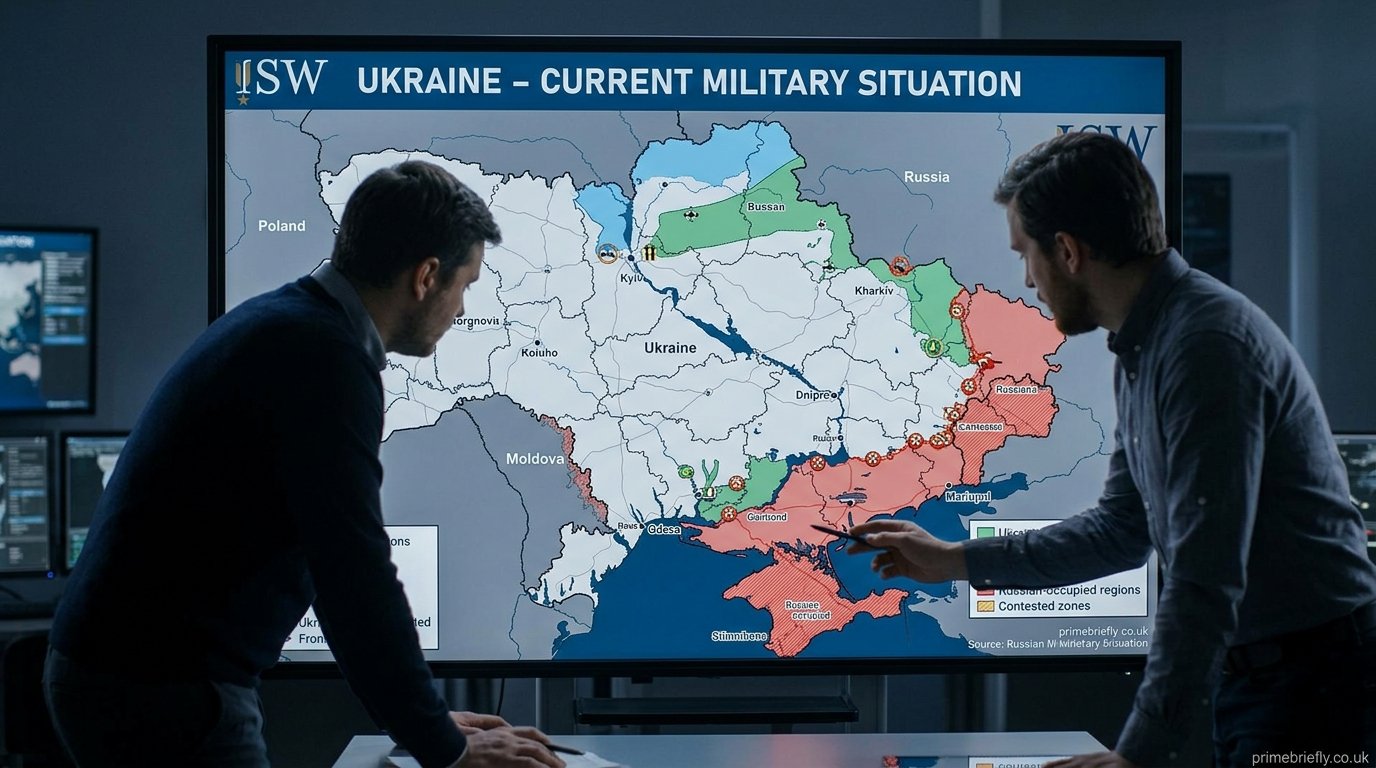
The reports often include detailed maps showing frontline positions, areas of active combat, and locations where military advances or withdrawals have occurred. While these maps are estimates based on available information, they offer a useful visual overview of the conflict.
Another reason many professionals rely on ISW Ukraine is that the reports usually explain the reasoning behind each assessment. Instead of making unsupported claims, analysts describe the evidence that influenced their conclusions. This transparency helps readers understand both the strengths and limitations of each analysis.
Students, journalists, policymakers, and military observers frequently reference these reports because they present information in a structured and organized manner. Even readers without military experience can follow the reports thanks to clear explanations and consistent formatting.
At the same time, ISW emphasizes that battlefield information changes rapidly. New evidence can confirm, update, or contradict earlier assessments. For that reason, readers should understand that every report reflects the best available information at the time of publication rather than an unchanging historical record.
How ISW Ukraine Reports Analyze the Battlefield
Producing accurate battlefield assessments during an active war is an extremely difficult task. Information arrives from many different sources, and not all of it is reliable. ISW Ukraine reports attempt to overcome this challenge by using open-source intelligence methods that combine multiple forms of publicly available evidence.
One important element is geolocation. Analysts examine photographs and videos shared online to determine exactly where they were recorded. Buildings, road layouts, natural landmarks, and satellite imagery all help verify locations. Once a location has been confirmed, analysts can better understand where military activity is taking place.
Satellite imagery also plays a valuable role. Commercial satellites provide updated images that can reveal damaged infrastructure, military equipment, defensive positions, and changes along the front lines. These images often support or challenge claims made by official sources.
Official military statements from both Ukraine and Russia are considered during the analysis. However, ISW generally treats these announcements carefully because governments involved in a conflict naturally present information that supports their own strategic objectives. Analysts compare official statements with independent evidence before including them in their assessments.
Social media has become another major source of battlefield information. Videos uploaded by soldiers, civilians, and journalists sometimes provide early evidence of military activity. However, online content can also be misleading, edited, outdated, or intentionally manipulated. Because of this, analysts spend significant time verifying authenticity before using such material.
Military experts also study operational patterns rather than focusing only on individual incidents. For example, repeated attacks against logistics centers may indicate preparations for a larger offensive. Increased engineering activity could suggest the construction of defensive positions. These patterns help explain broader military strategies beyond daily fighting.
Maps included in ISW Ukraine reports often receive considerable attention. These maps summarize territorial control based on verified evidence. While no battlefield map can be perfectly accurate during an active conflict, they provide readers with a useful reference point for understanding where major developments are occurring.
The reports also explain strategic objectives. Instead of only describing troop movements, analysts examine why those movements matter. They discuss supply routes, transportation networks, command centers, terrain advantages, and other military factors that influence decision-making.
Political developments are another important part of many assessments. Diplomatic meetings, international sanctions, military aid packages, and defense production can all influence battlefield conditions over time. ISW often examines these broader factors because modern conflicts extend beyond the front lines.
By combining military, political, economic, and intelligence perspectives, ISW Ukraine reports provide a comprehensive view of the conflict that goes beyond simple daily news coverage.
Why ISW Ukraine Matters and How Readers Should Use It
The popularity of ISW Ukraine reflects a growing demand for detailed, evidence-based conflict analysis. As information spreads rapidly across digital platforms, readers often struggle to distinguish verified facts from rumors or propaganda. Reports that explain their methods and acknowledge uncertainty become especially valuable in such an environment.
For journalists, these assessments provide useful background information when reporting on military developments. Rather than relying solely on official announcements, reporters can compare multiple perspectives before publishing their own coverage.
Researchers and university students frequently use ISW reports to study military operations, international relations, security policy, and modern warfare. The reports document daily developments in a structured format, creating a valuable historical record that can support future research.
Government officials and policy analysts also monitor these assessments because they summarize complex battlefield information in an accessible way. While official intelligence agencies possess additional classified information, publicly available analyses still contribute to broader discussions about defense policy and international security.
General readers benefit as well. Many news articles focus on dramatic individual events, while ISW Ukraine explains how those events fit into larger military campaigns. This broader perspective makes it easier to understand why certain battles receive international attention and how they may influence future developments.
However, readers should also recognize the limitations of any battlefield assessment. Active wars involve incomplete information, conflicting reports, communication delays, and intentional misinformation from multiple parties. No public analysis can provide perfect certainty under these conditions.
The best approach is to view ISW Ukraine as one valuable source among several credible references. Comparing different independent analyses allows readers to develop a more balanced understanding of complex events. Responsible information consumption becomes especially important during major international conflicts, where inaccurate claims can spread quickly across social media.
Critical thinking remains essential. Readers should pay attention to how analysts reach their conclusions, what evidence they cite, and whether they clearly distinguish confirmed information from reasonable assessments. Reports that openly explain uncertainty often deserve greater confidence than those making absolute claims without supporting evidence.
As technology continues to improve, open-source intelligence will likely become even more important in future conflicts. Satellite imagery, artificial intelligence, digital mapping, and public data analysis are transforming how military events are documented and understood. ISW Ukraine represents one example of how these modern research methods can help explain complicated international events to a global audience.
Conclusion
ISW Ukraine has become one of the most recognized sources for daily assessments of the war in Ukraine because it combines detailed research, open-source intelligence, and strategic military analysis into clear and understandable reports. Rather than focusing only on breaking news, these assessments explain the broader context behind battlefield developments and long-term military operations.
Its reports are widely followed by journalists, researchers, policymakers, students, and readers who want a deeper understanding of the conflict. Through careful verification, transparent analysis, and consistent reporting, ISW helps readers interpret rapidly changing events in a more informed way.
At the same time, every battlefield assessment should be viewed with an understanding of its limitations. Active conflicts evolve quickly, and new information can change previous conclusions. Reading multiple reliable sources, evaluating evidence carefully, and maintaining a critical perspective remain the best ways to stay informed.
As the conflict continues to shape international politics and global security, ISW Ukraine will likely remain an important resource for those seeking thoughtful analysis rather than simple headlines. Its work demonstrates how careful research and open-source intelligence can help people around the world better understand one of the most significant conflicts of the modern era.
