


Introduction: The Growing Significance of Indonesia Protests
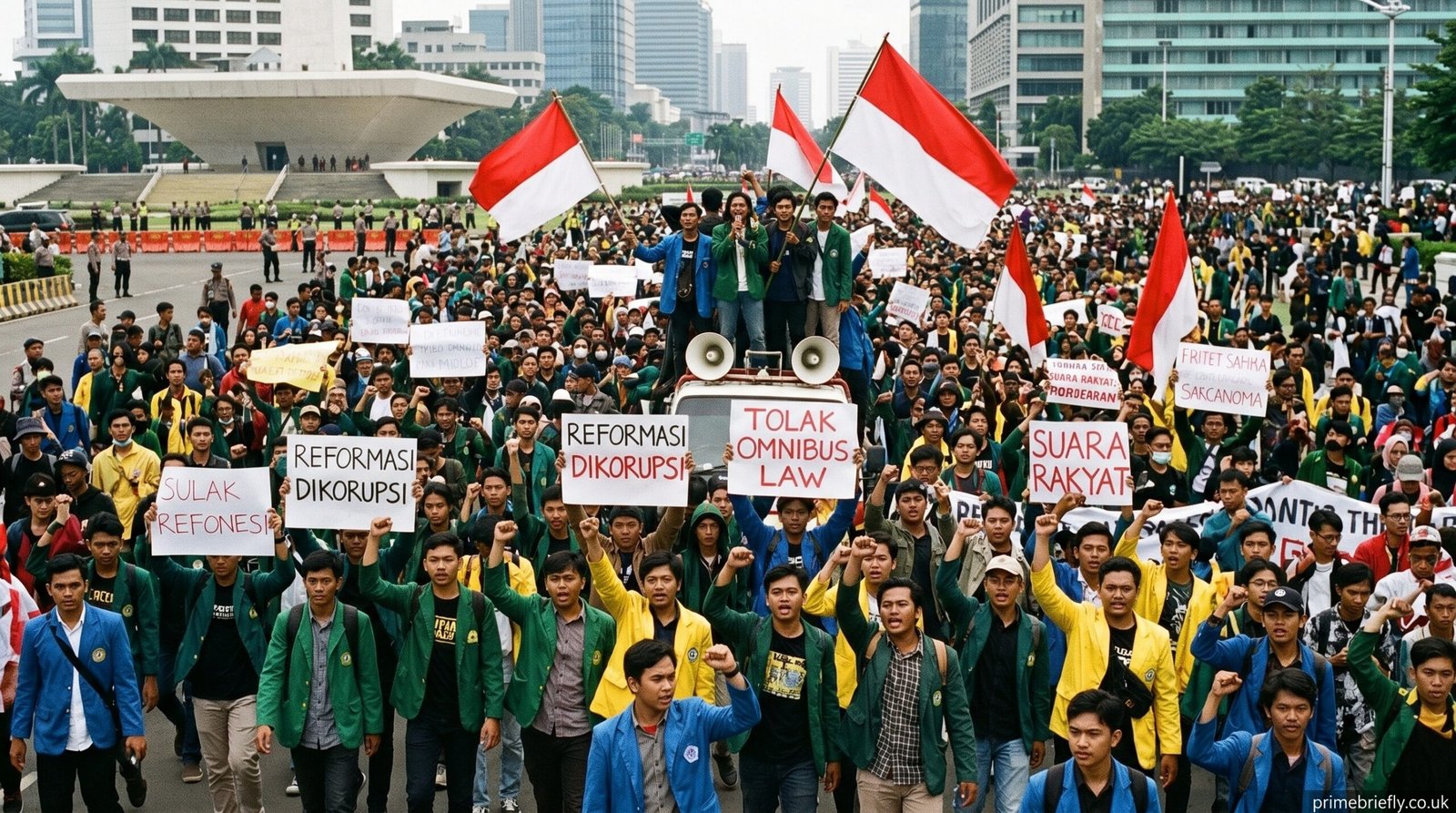
Indonesia protests have become one of the most important expressions of public opinion in Southeast Asia’s largest democracy. Over the years, these demonstrations have reflected deep concerns about economic inequality, political accountability, and social justice. In recent times, they have gained even more attention due to their scale and intensity, drawing both national and international focus.
The modern wave of Indonesia protests is not a sudden phenomenon but the result of long-standing structural issues. Citizens, especially young people and working-class communities, have increasingly used public demonstrations to voice dissatisfaction with government policies. These protests often highlight the gap between official decisions and public expectations, making them a key indicator of democratic engagement in the country.
Historical Background of Indonesia Protests and Democratic Change
The roots of Indonesia protests can be traced back to the Reformasi era of 1998, when mass demonstrations led to the fall of President Suharto’s authoritarian regime. That moment marked a turning point in Indonesia’s political history, opening space for freedom of speech, press freedom, and public assembly. Since then, protests have remained a consistent feature of Indonesian democracy.
In the years following Reformasi, protests have taken many forms, including student movements, labor strikes, and civil society campaigns. Issues such as corruption, election fairness, and economic policy have repeatedly triggered public demonstrations. These movements have shaped Indonesia’s political identity as a country where citizens actively participate in governance debates through collective action.
Economic Inequality as a Core Driver of Indonesia Protests
One of the most persistent causes behind Indonesia protests is economic inequality. While Indonesia has experienced significant economic growth, the benefits have not been evenly distributed across society. Many citizens, especially in urban and rural working-class communities, feel that rising living costs are not matched by improvements in wages or social welfare.
Inflation, unemployment, and job insecurity have also intensified public frustration. When economic pressures combine with perceptions of elite privilege, such as high allowances for politicians, public anger often grows stronger. This economic dissatisfaction has become a recurring trigger for protests, especially among students and low-income workers seeking fairer policies.
Political Discontent and Governance Challenges
Political dissatisfaction is another major factor behind Indonesia protests. Concerns about corruption, lack of transparency, and weak accountability continue to influence public trust in government institutions. Many protesters argue that political decisions often prioritize elite interests over the needs of ordinary citizens.
Controversial laws and policy decisions have also sparked large-scale demonstrations. Legislative changes related to labor rights, environmental regulations, and public spending have frequently been met with resistance. These issues reflect a broader demand for more participatory governance and stronger democratic oversight.
The 2025 Wave of Indonesia Protests and Escalation
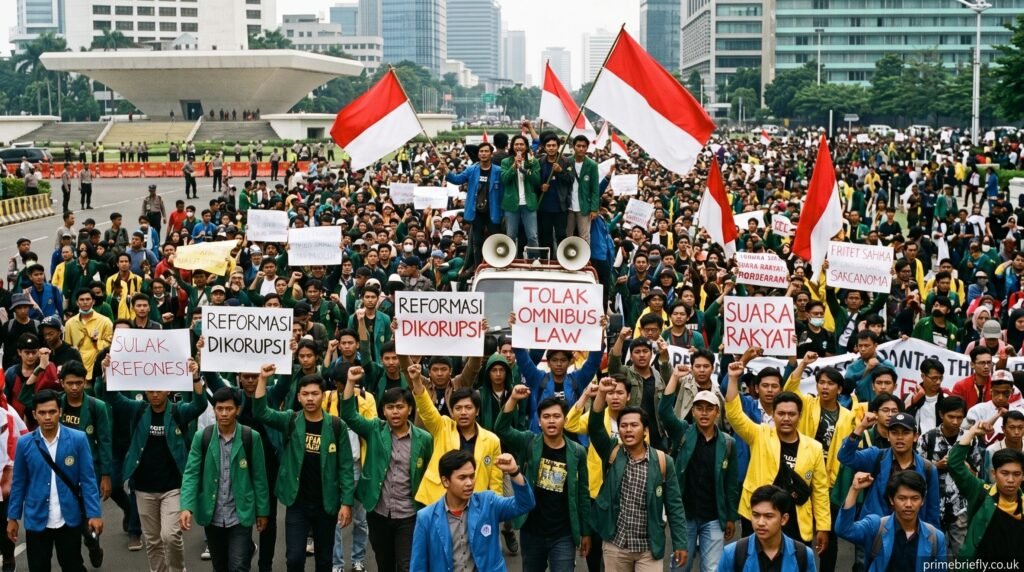
The 2025 Indonesia protests marked one of the most intense periods of civil unrest in recent years. The demonstrations began with widespread anger over economic inequality and political privileges, particularly related to benefits granted to lawmakers during a period of financial hardship for many citizens.
The situation escalated further following a tragic incident involving a delivery driver during a clash with security forces, which triggered nationwide outrage. What started as localized protests quickly spread across major cities such as Jakarta and Surabaya, evolving into a broader movement demanding justice, accountability, and political reform. The scale and speed of this escalation made it one of the most significant protest waves in recent Indonesian history.
Role of Students, Workers, and Civil Society Movements
Students have historically played a central role in Indonesia protests, and this trend continues today. Universities often act as organizing centers where political awareness and activism grow. Student groups frequently lead demonstrations calling for reform, transparency, and social justice, making them a powerful voice in national debates.
Labor unions and civil society organizations also contribute significantly to protest movements. Workers often mobilize around issues such as wages, employment rights, and working conditions. Together, these groups create a broad coalition of public voices that reflect diverse but interconnected concerns across Indonesian society.
Security Forces, Public Response, and Human Rights Concerns
The role of police and security forces in Indonesia protests has been widely discussed. In several cases, confrontations between demonstrators and law enforcement have resulted in injuries and heightened tensions. These incidents often intensify public anger and expand the scale of protests.
Human rights organizations have raised concerns about excessive use of force and mass detentions during demonstrations. These issues have led to increased calls for police reform and better protection of civil liberties. The balance between maintaining public order and respecting democratic rights remains a key challenge in managing protests.
Economic and Social Impact of Indonesia Protests
Indonesia protests can have significant economic consequences, especially when they occur in major urban centers. Disruptions to transportation, business operations, and public services often create short-term economic losses. In some cases, prolonged unrest can also affect investor confidence and market stability.
Socially, protests highlight both division and unity within society. While they expose deep frustrations, they also demonstrate strong civic engagement and public participation. Over time, these movements can influence national dialogue and encourage reforms that address underlying social and economic issues.
Future Outlook of Indonesia Protests and Democratic Stability
The future of Indonesia protests will largely depend on how effectively structural issues are addressed. Economic fairness, political transparency, and institutional accountability remain central concerns for many citizens. If these issues are not resolved, protests are likely to continue as a recurring form of public expression.
However, Indonesia’s democratic system also provides space for peaceful activism and dialogue. If managed constructively, protests can serve as a catalyst for positive change, helping strengthen governance and improve policy decisions. The challenge moving forward is ensuring that public voices are heard while maintaining stability and democratic order.
Conclusion: Understanding the Meaning Behind Indonesia Protests
Indonesia protests are more than temporary demonstrations; they are a reflection of deeper social, economic, and political dynamics within the country. They highlight both the strengths and challenges of Indonesia’s democratic system, where citizens actively participate in shaping national direction.
As Indonesia continues to grow and evolve, these protests will likely remain an important part of its democratic landscape. Understanding their causes and impacts is essential for interpreting the country’s future trajectory, as well as the ongoing relationship between the government and its people.
