


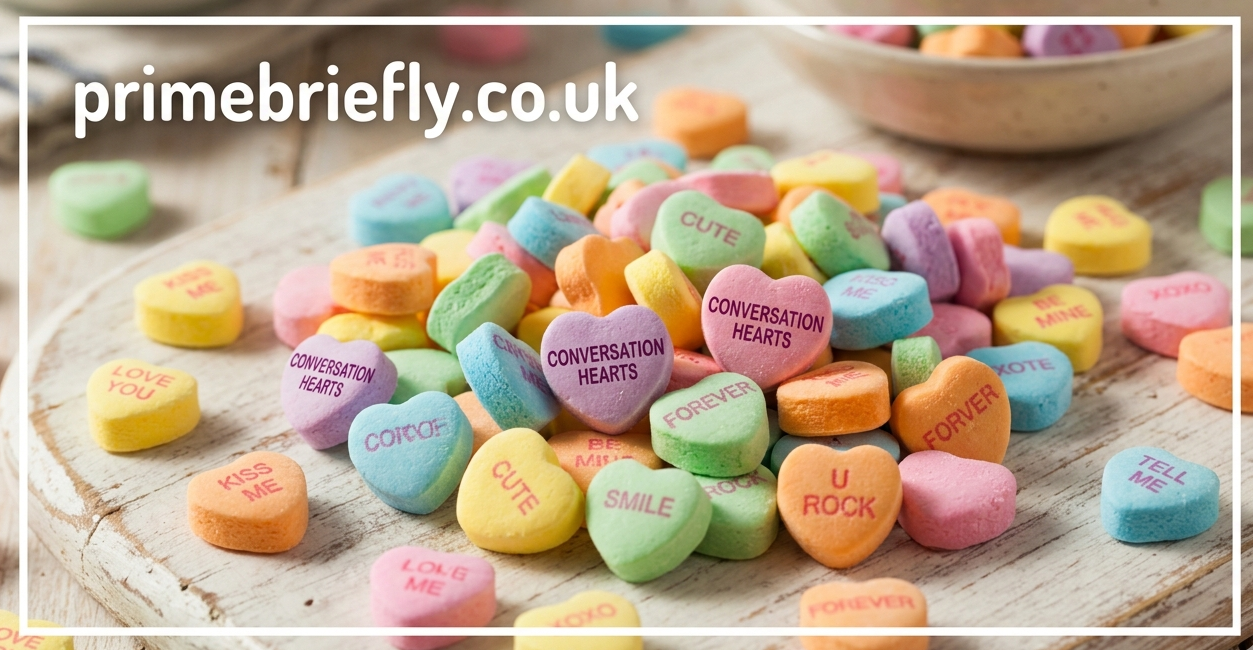
Conversation hearts are among the most recognizable Valentine’s Day candies in the world. These tiny heart-shaped sweets, printed with short romantic phrases like “Be Mine,” “Love You,” and “Kiss Me,” have become a seasonal favorite for generations. Every year, millions of people purchase them as gifts, party treats, decorations, and nostalgic reminders of childhood celebrations.
Although they may seem like simple candies, conversation hearts have a rich history, cultural significance, and evolving place in modern celebrations. From their origins in the 19th century to their role in today’s social media trends, these iconic sweets continue to capture attention worldwide.
This comprehensive guide explores everything about conversation hearts, including their history, ingredients, cultural impact, manufacturing process, creative uses, and future trends.
What Are Conversation Hearts?
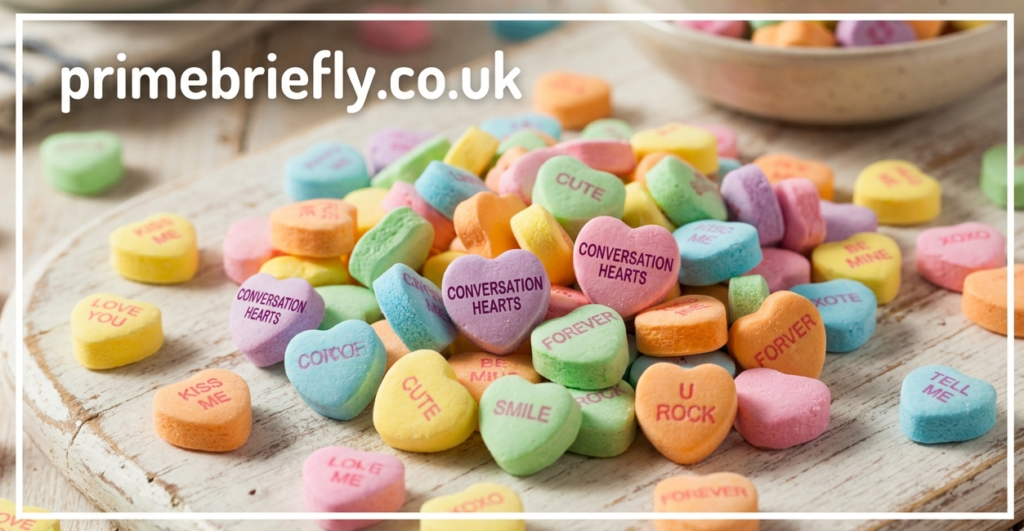
Conversation hearts are small candy hearts made primarily from sugar, corn syrup, flavoring, and coloring. Their defining feature is the short printed messages placed on each piece.
Common phrases include:
- Be Mine
- Love You
- Hug Me
- Kiss Me
- True Love
- Call Me
- XOXO
- Sweet Heart
These candies are especially popular during Valentine’s Day celebrations.
The History of Conversation Hearts
The origins of conversation hearts date back to the mid-1800s.
Medical Lozenges Inspiration
Boston pharmacist Oliver Chase invented a machine designed to produce medicinal lozenges more efficiently.
Later, this technology evolved into candy manufacturing.
The Birth of Sweet Messages
Chase’s brother, Daniel Chase, developed a printing machine that could place text onto candy.
This innovation led to the creation of printed candies.
New England Confectionery Company (NECCO)
NECCO became the company most associated with conversation hearts for decades.
The brand helped popularize the candy nationwide.
Why Are Conversation Hearts So Popular?
Several factors contribute to their lasting popularity.
Affordable Gifts
They are inexpensive and accessible.
Nostalgia
Many adults associate them with childhood memories.
Seasonal Tradition
They remain a Valentine’s Day staple.
Shareable Messages
The printed phrases make them interactive.
Evolution of Candy Messages
Older conversation hearts featured traditional sayings such as:
- Marry Me
- Fax Me
- Be True
Modern versions include updated phrases like:
- Text Me
- BFF
- DM Me
- Bestie
Candy manufacturers adapt messages to changing communication trends.
How Conversation Hearts Are Made
The production process includes several steps.
Mixing Ingredients
Manufacturers combine:
- Sugar
- Corn syrup
- Gelatin
- Flavoring
- Coloring
Shaping
Machines create heart shapes.
Drying
Candies are dried for firmness.
Printing
Messages are stamped onto each heart.
Packaging
Finished candies are packaged for sale.
Popular Flavors
Conversation hearts come in various flavors.
Common varieties include:
- Cherry
- Lemon
- Orange
- Banana
- Mint
- Grape
- Strawberry
Flavor preferences vary by consumer.
Valentine’s Day and Conversation Hearts
These candies are strongly linked to Valentine’s Day traditions.
They are commonly used in:
- Classroom exchanges
- Romantic gifts
- Party favors
- Decorations
Their seasonal demand spikes every February.
The Temporary Disappearance of Conversation Hearts
In 2018, NECCO went out of business.
This caused shortages.
Many consumers panicked when conversation hearts became harder to find.
Later, Spangler Candy Company revived production.
Social Media Influence
Platforms like TikTok and Instagram helped revive interest.
Users create:
- Candy art
- Valentine crafts
- Recipe videos
This attracts younger audiences.
Creative Uses for Conversation Hearts
These candies are used beyond eating.
Party Decorations
Table displays and centerpieces.
Baking Toppings
Cupcakes and cookies.
Wedding Decor
Romantic-themed events.
School Crafts
Educational activities.
Health Considerations
Because they are sugary candies, moderation is important.
Potential concerns include:
- Sugar intake
- Artificial coloring
- Dental health
Consumers should enjoy responsibly.
Collectible Appeal
Vintage conversation heart boxes have become collectible items.
Candy nostalgia drives collector interest.
DIY Conver sation Hearts
Some people make homemade versions.
This allows custom colors, flavors, and messages.
Global Popularity
While most popular in the United States, similar candies appear internationally.
Valentine traditions vary worldwide.
Marketing Strategies Behind Their Success
Brands use:
- Holiday promotions
- Limited editions
- Nostalgia marketing
These tactics maintain demand.
Why Kids Love Conver sation Hearts
Children enjoy:
- Bright colors
- Sweet flavors
- Fun messages
Classroom exchanges boost popularity.
Why Adults Still Buy Them
Adults appreciate nostalgia and holiday traditions.
They often buy them for sentimental reasons.
Future Trends
Future developments may include:
- Healthier ingredients
- Personalized messages
- Digital integration
- Premium versions
Innovation keeps the product relevant.
Cultural Symbolism
Conversation hearts symbolize:
- Love
- Friendship
- Communication
- Affection
Their simple messages carry emotional meaning.
Final Thoughts
Conversation hearts remain one of the most iconic Valentine’s Day candies in history. Their blend of sweetness, nostalgia, affordability, and emotional messaging ensures their continued popularity.
From their 19th-century origins to modern social media trends, these colorful candies continue spreading small but meaningful messages of love and connection around the world.
